Deep Dive: What is Invisalign First? The Clear Choice for Kids.
Written by: Dr. Pitipat Tunksook D.D.S. (M.Sc. Orthodontics, Mahidol University) Updated: Jan 13, 2026
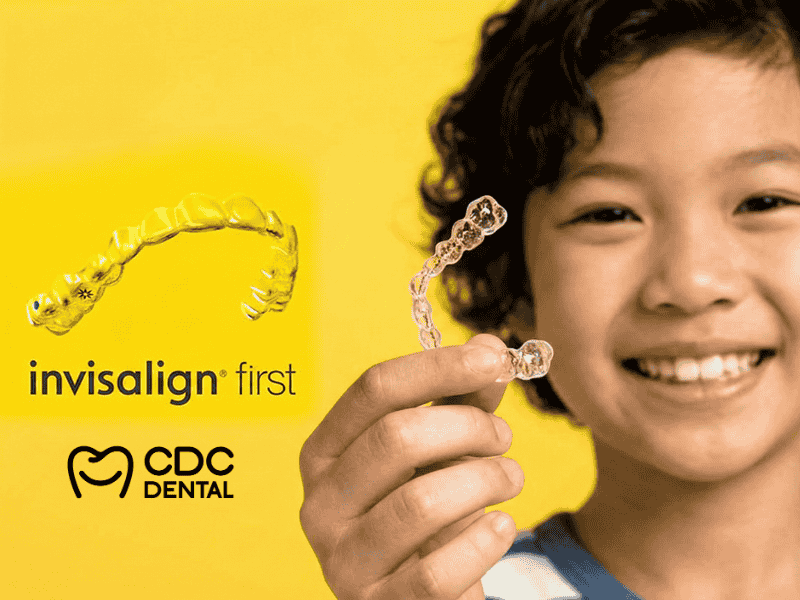
Many parents mistakenly believe they must "wait for all permanent teeth to erupt" before taking their child to see an orthodontist. However, medical evidence suggests that early intervention is often key.
Today, we explore “Invisalign First,” an innovation in Invisalign for kids designed specifically for children aged 6-10. This treatment helps reduce complexity in later years and builds confidence for your child starting today.
Important Note for International Families:
Orthodontic treatment requires regular monitoring over a period of time. Therefore, this service is available exclusively for Expats and Long-term Residents living in Thailand. It is not suitable for short-term tourists.
What is Invisalign First?
Invisalign First is a clear aligner treatment designed specifically for growing children with "Mixed Dentition" (a mix of baby teeth and permanent teeth). This usually occurs between the ages of 6 and 10. This is known as Phase 1 Treatment, and its goals differ from adult orthodontics.
Pediatric Orthodontics is divided into 2 Phases:
- Phase 1: The goal of Invisalign First is to address the root cause—the jaw structure. It expands the arch to make room for incoming permanent teeth and corrects skeletal discrepancies before they become too difficult to treat.
- Phase 2: This occurs once all permanent teeth have erupted (usually teenage years) to fine-tune the alignment and bite.
In Summary: Invisalign First isn't just about straightening teeth; it’s about preparing the jaw foundation (Phase 1) to pave the way for a simpler, healthier smile in the future (Phase 2).

Which problems does the doctor recommend for Invisalign First?
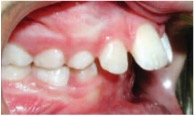
1. Protruding Teeth (Buck Teeth)
Children with severely protruding upper front teeth are at higher risk. If a child falls while playing or playing sports, the front teeth are often the first to be impacted or broken. Additionally, correcting protruding teeth with Invisalign for kids helps reduce social issues like bullying, which directly affects a child's confidence.
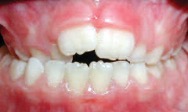
2. Crossbite or Bite Interferences
If we find that upper teeth are biting inside the lower teeth (Anterior/Posterior Crossbite), or if teeth are colliding in a way that forces the jaw to shift when biting, this must be "corrected immediately." Left untreated, it can hinder jaw growth, leading to permanent facial asymmetry.
3. Narrow Upper Jaw
Children with a narrow upper arch often lack space for permanent teeth. We need to perform "Expansion" to widen the skeletal base and improve the airway/breathing. (Currently, we can use the Invisalign Palatal Expander or Invisalign First to achieve this).
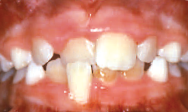
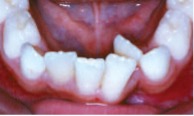
4. Severe Crowding or Spacing
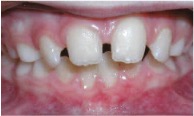
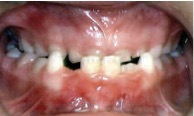
A special note here: It is normal for children in the mixed dentition stage to have some spacing or crowding (the "Ugly Duckling Stage"). This typically does not require immediate treatment. We recommend Invisalign First only if the crowding is severe enough to block other permanent teeth from erupting, or if spacing is affecting gum health or speech significantly.
Important Exception: Class III / Underbite
If you notice your child has a "protruding chin" or the "lower front teeth overlap the upper front teeth," please note that Invisalign First alone may not cover this. While this condition requires urgent attention, it often necessitates specific orthopedic tools (like a Face Mask) to encourage upper jaw growth.
[Click to read details: Treatment for Class III Underbite]
5 Benefits of Invisalign First vs. Metal Braces
Why is Invisalign for kids becoming the preferred choice for modern parents?
- Superior Hygiene: Children can remove the aligners to brush and floss normally. This significantly reduces the risk of cavities and gum inflammation—a common problem with metal braces.
- No Food Restrictions: Kids can eat whatever they like (popcorn, apples, sticky foods) because they remove the aligners during meals.
- Less Pain/Discomfort: No sharp wires or brackets to poke the cheeks. The force applied by Invisalign First is generally gentler than traditional braces.
- Prevent Complex Surgery: Managing jaw structure early can reduce the likelihood of needing jaw surgery or permanent tooth extraction in adulthood.
- Confidence: Some children feel self-conscious with metal braces. Invisalign First is virtually invisible, so friends may not even notice they are undergoing treatment.
How much is Invisalign First? (Price)
Cost is a major factor in planning treatment. At CDC Dental, our English speaking dentist and team (Specialists) provide care at both our BTS Saphan Khwai and Bangkapi branches.
We believe in transparent, fair pricing. We offer the exact same price to our international patients as we do to local Thais.
Promotion
Orthodontist Only
Most Popular
Invisalign First
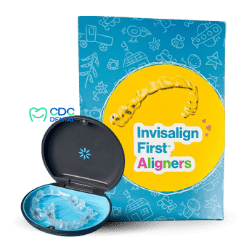
Clear Aligners for Kids (Phase 1)
Structural correction from an early age
Total Package Price
99,000.- THB
(Approx. $2,900 USD)
✓ Balance jaw structure
✓ Create space for permanent teeth
✓ Treated by Specialists
Option
Palatal Expander
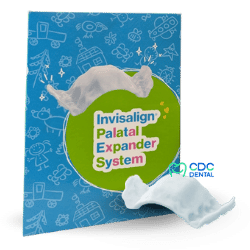
Jaw Expander (Phase 1)
For children with narrow palate
49,000.- THB
(Approx. $1,450 USD)
★
Next Step: Phase 2
When permanent teeth are all in. Exclusive rate for existing patients.
Starting at
69,000.- THB
(~$2,000 USD)
>
Valid until: June 30, 2026
Treatment Steps for Invisalign First
1
Free Consultation
Assess if Invisalign First is suitable for your child.
2
Dental Clearing (If needed)
Cleaning, fillings, or extractions (as necessary).
3
Records & Scan 1st Payment
X-rays, Photos, and 3D Intraoral Scan to plan the movement.
Wait 1-2 weeks for the Orthodontist to design the plan.
4
Treatment Plan Review (ClinCheck) 2nd Payment
After approval, wait approx. 4 weeks for production/shipping.
5
Start Treatment 3rd Payment
Receive aligners, place attachments, and learn how to wear/care.
6
Follow-up Installment Payment
Check-ups every 6-8 weeks. Refinement aligners included if needed.
7
Completion
Remove attachments, receive retainers, and wait for Phase 2 (when older).
Meet our English Speaking Dentist Team (Orthodontists)
Did you know? In Thailand, general dentists can perform orthodontics, but fully certified specialists are rare. To ensure the best result and safety for your child, we recommend treatment only with Board Certified Specialists or those with a Master's Degree in Orthodontics.
Dr. Prinya Tunksook
Lic. 3717
Cert. Diploma, Orthodontics
Dr. Jurailuck Tunksook
Lic. 4319
Cert. Diploma, Orthodontics
Dr. Pitipat Tunksook
Lic. 17030
M.Sc. Orthodontics, Mahidol
Dr. Parinda Tunksook
Lic. 18860
Residency Training, Mahidol
Verify Thai Association of Orthodontists Membership
Why Choose CDC Dental?
At CDC Dental, we don't just "straighten teeth"; we strive to provide a treatment experience that is safe, effective, and comfortable. Our core standards include:
Specialist Team
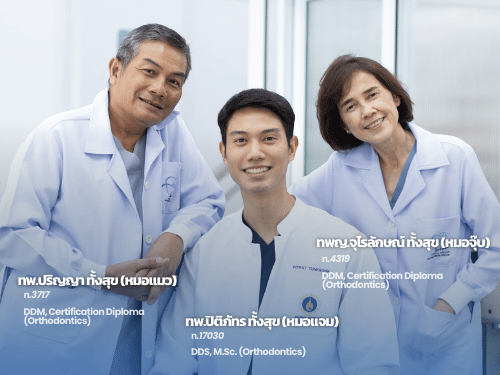
Supervised by actual Orthodontists (Specialists) every step of the way.
iTero 5D Scanner
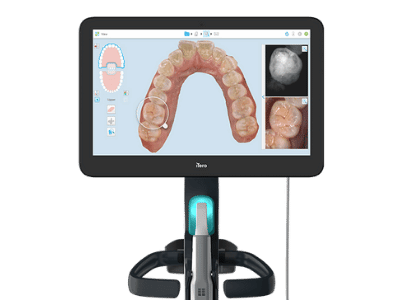
Scanning is crucial for Invisalign. No more messy impressions. Read More
Digital X-ray
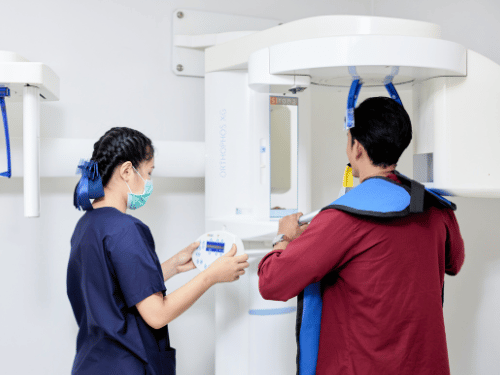
High clarity with low radiation for accurate diagnosis.
Easy Appointments
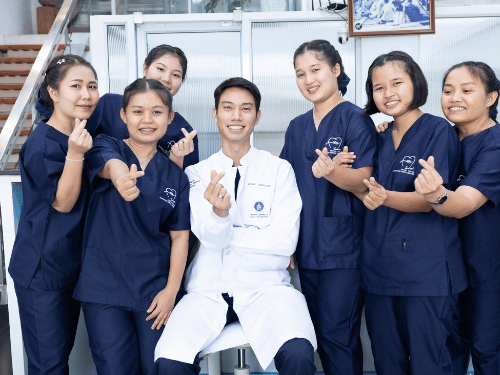
Our English-speaking team manages your appointments efficiently. No long waits.
Summary: Is Invisalign First right for your child?
If your child is between 6-10 years old and showing signs of crowding, spacing, or jaw misalignment, Invisalign First is an excellent choice. It offers the best experience for children in terms of both physical comfort and psychological confidence.
However, success depends on the child's "discipline" in wearing the aligners and the expertise of the dentist. We strongly recommend choosing a clinic with certified pediatric orthodontic experience.
Book an Appointment or Chat with us
Saphan Khwai Branch
(Chatuchak Dental Center) Near BTS Saphan Khwai, Ari, Chatuchak
Call 097-925-2424
Article by
Dr. Pitipat Tunksook (Dr. Jam)
Orthodontist



 Book via LINE
 WhatsApp